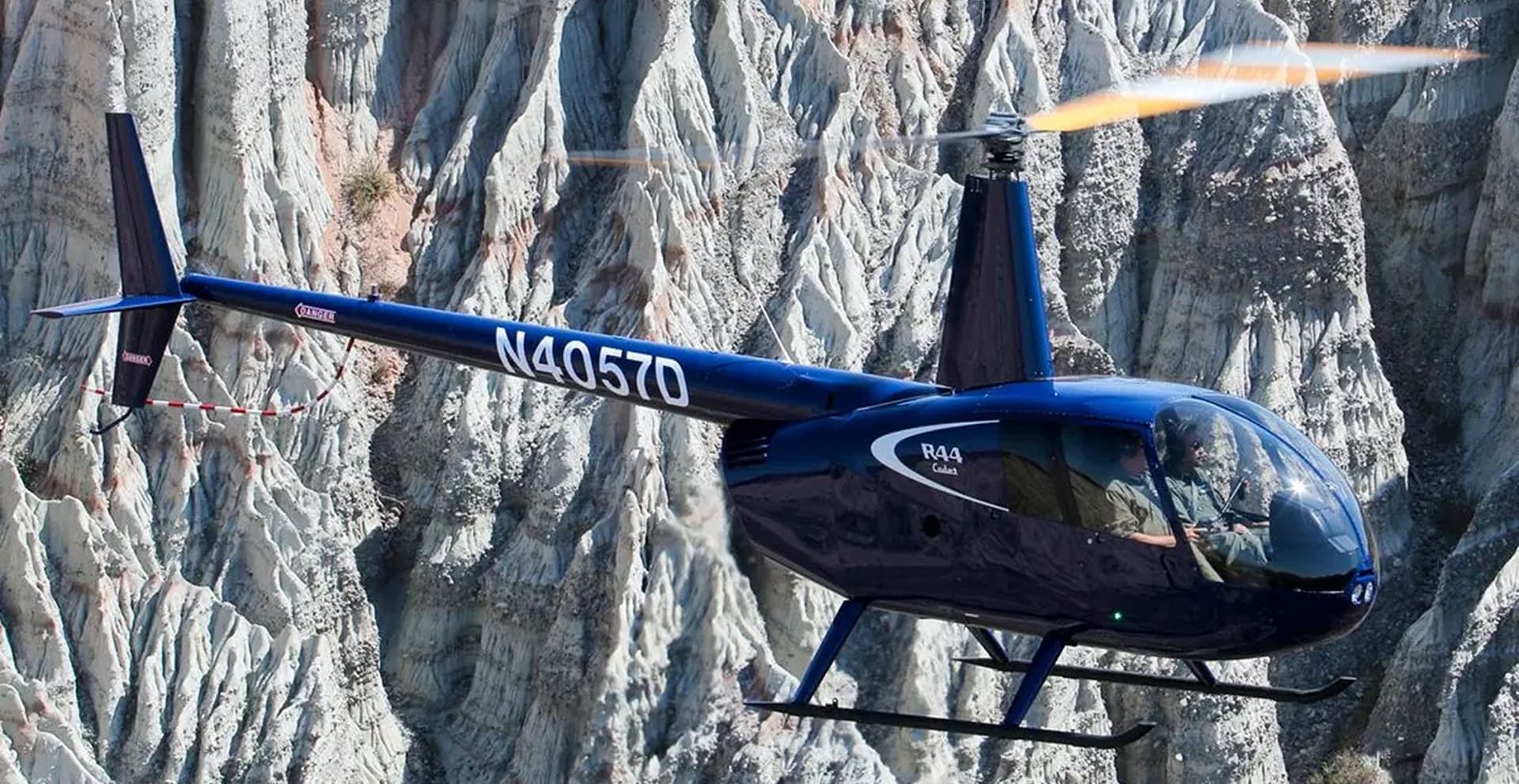
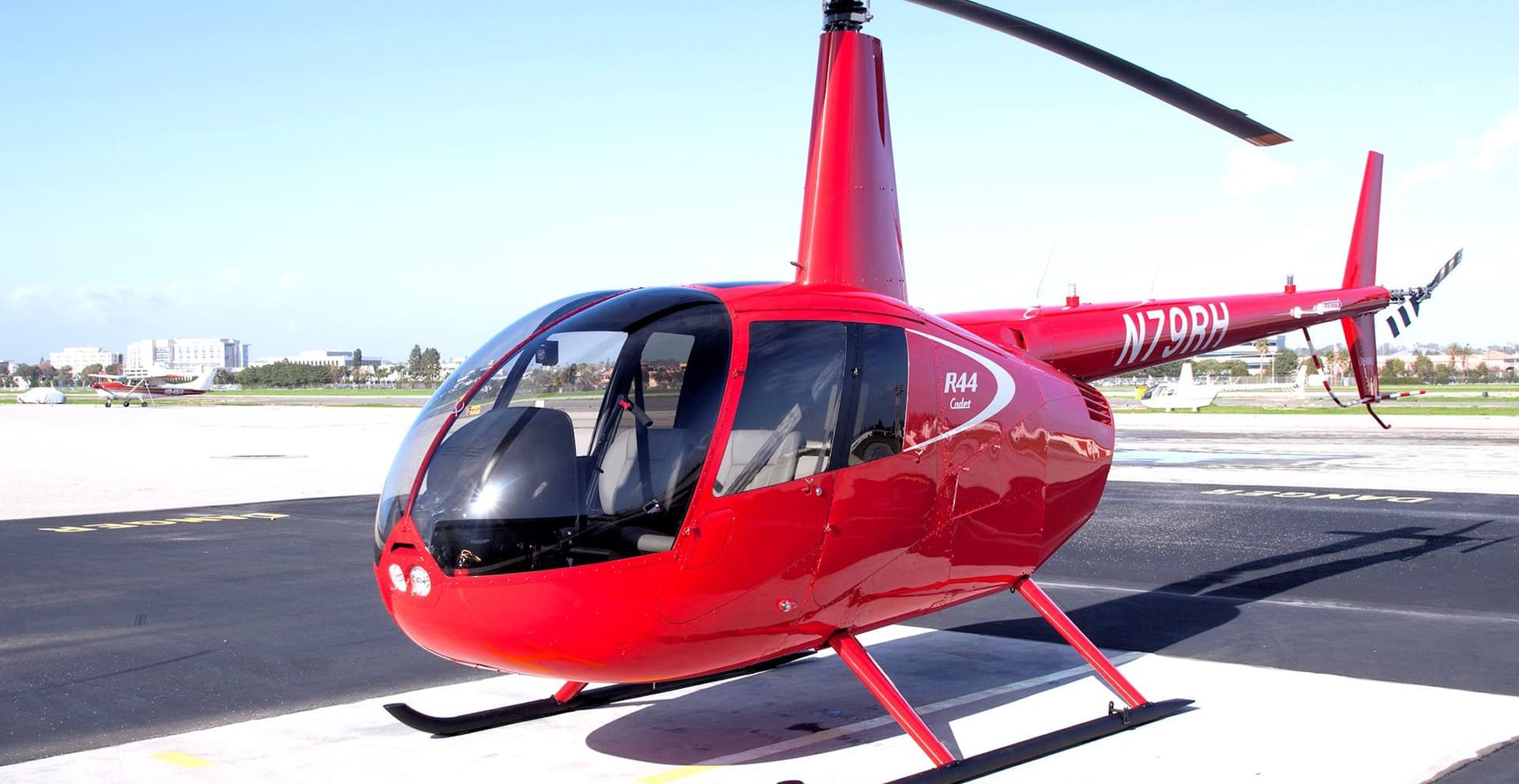
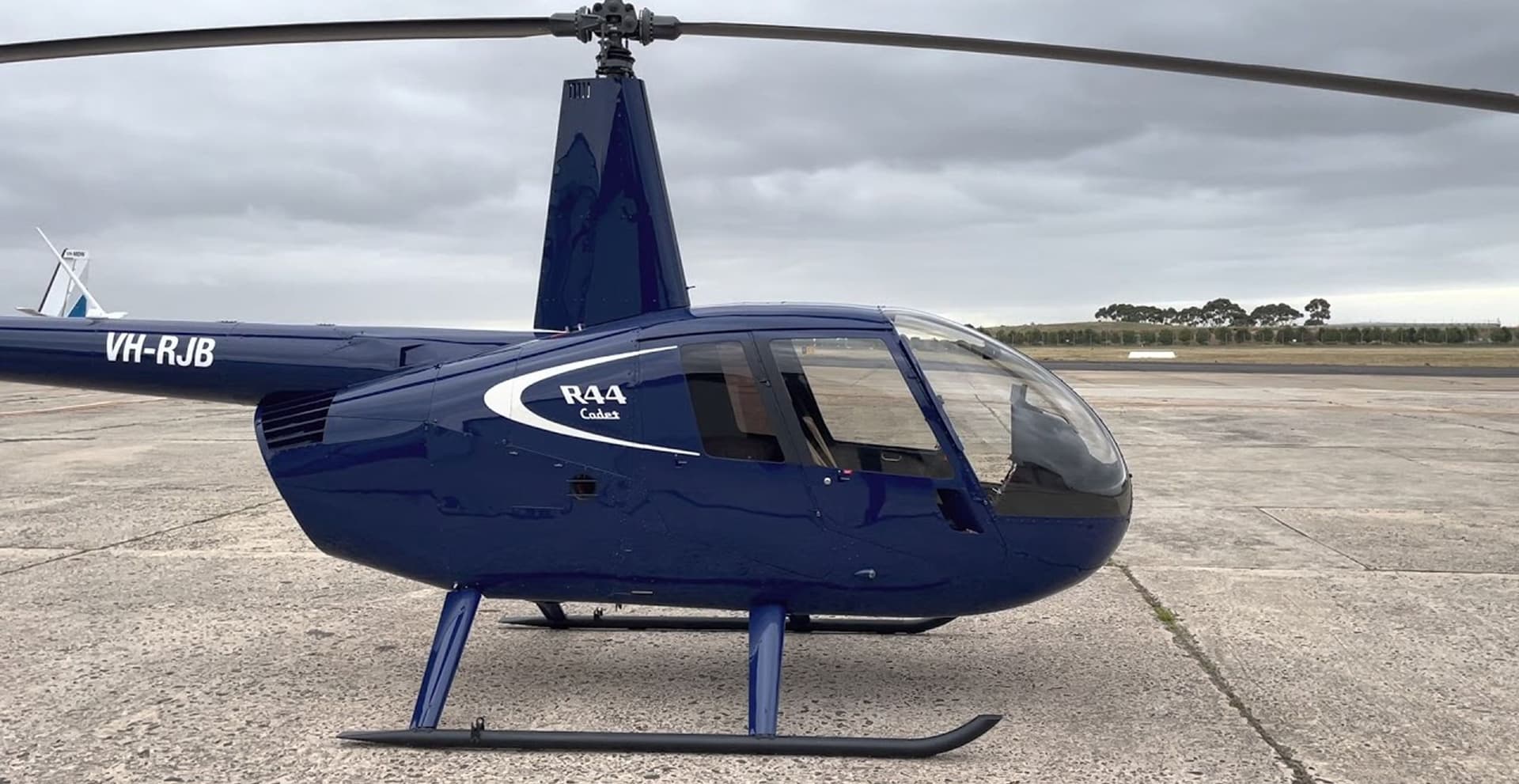
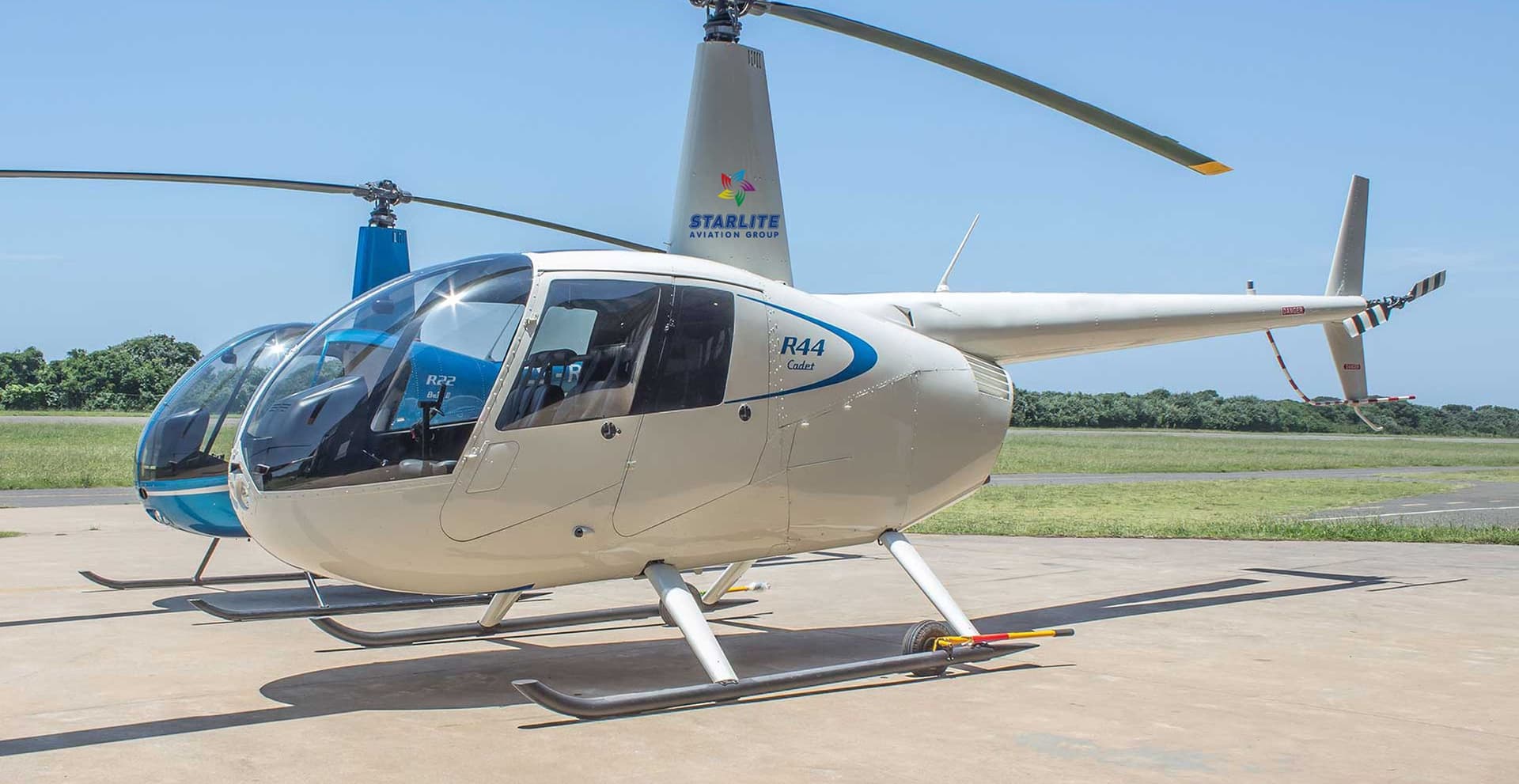
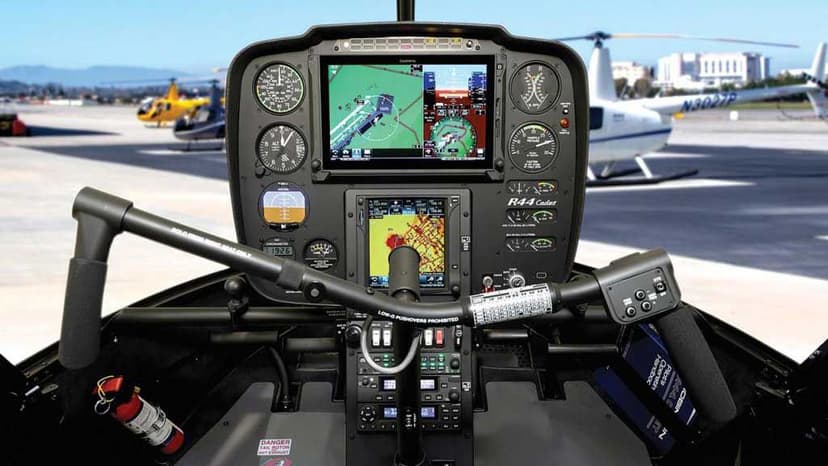
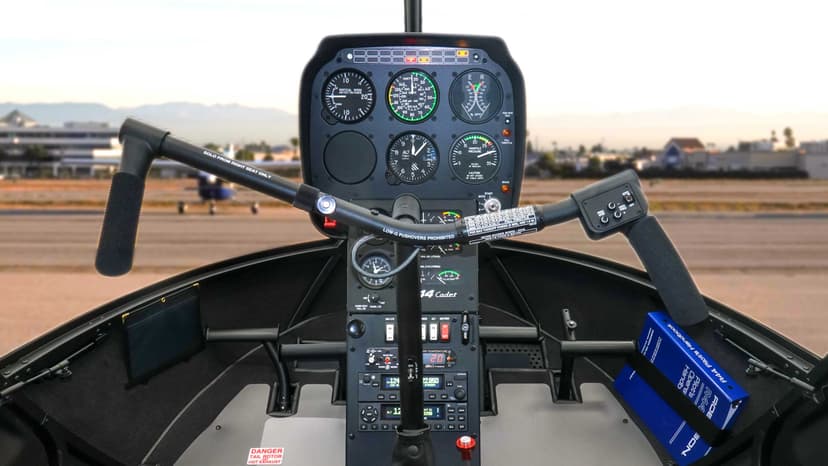
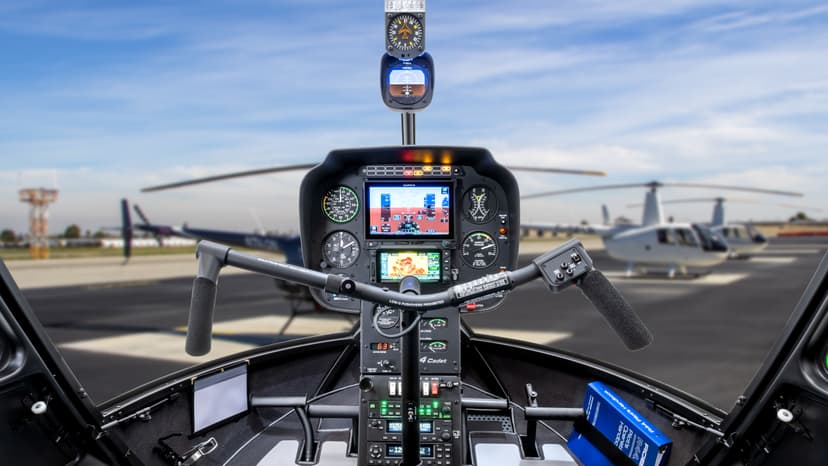
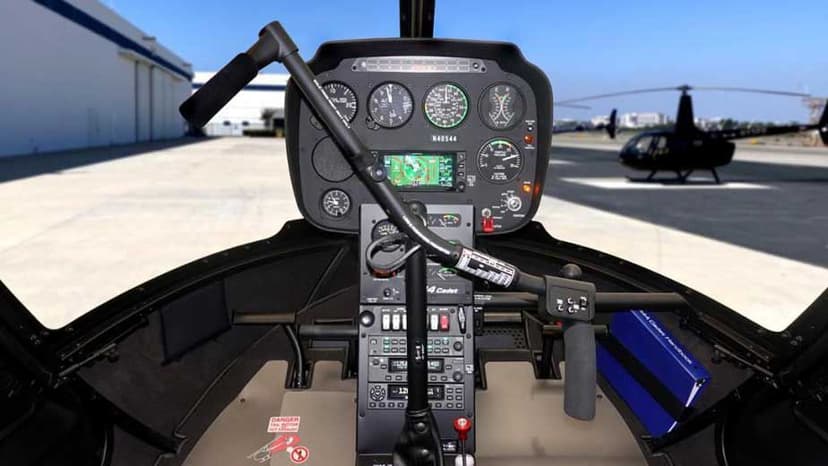
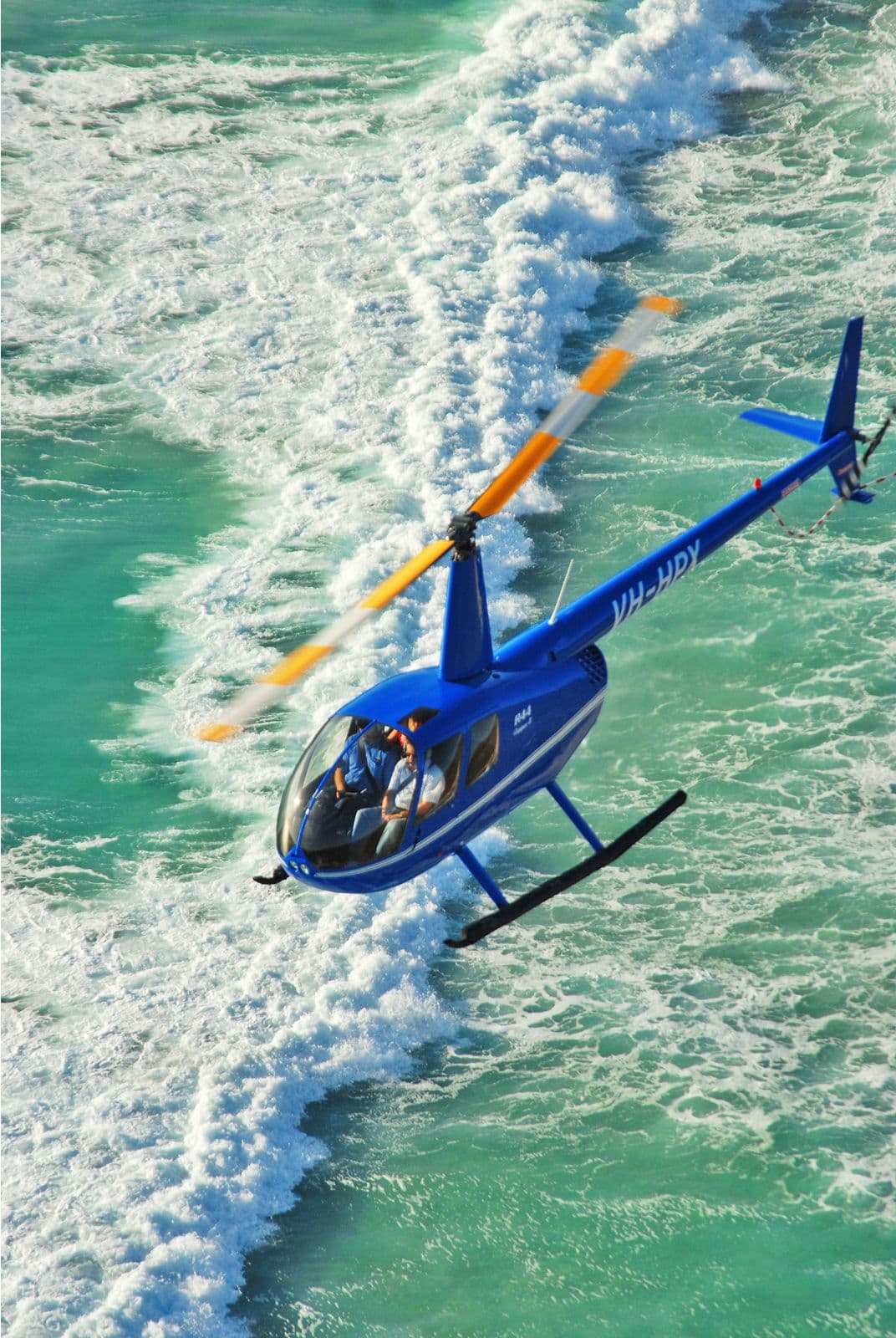
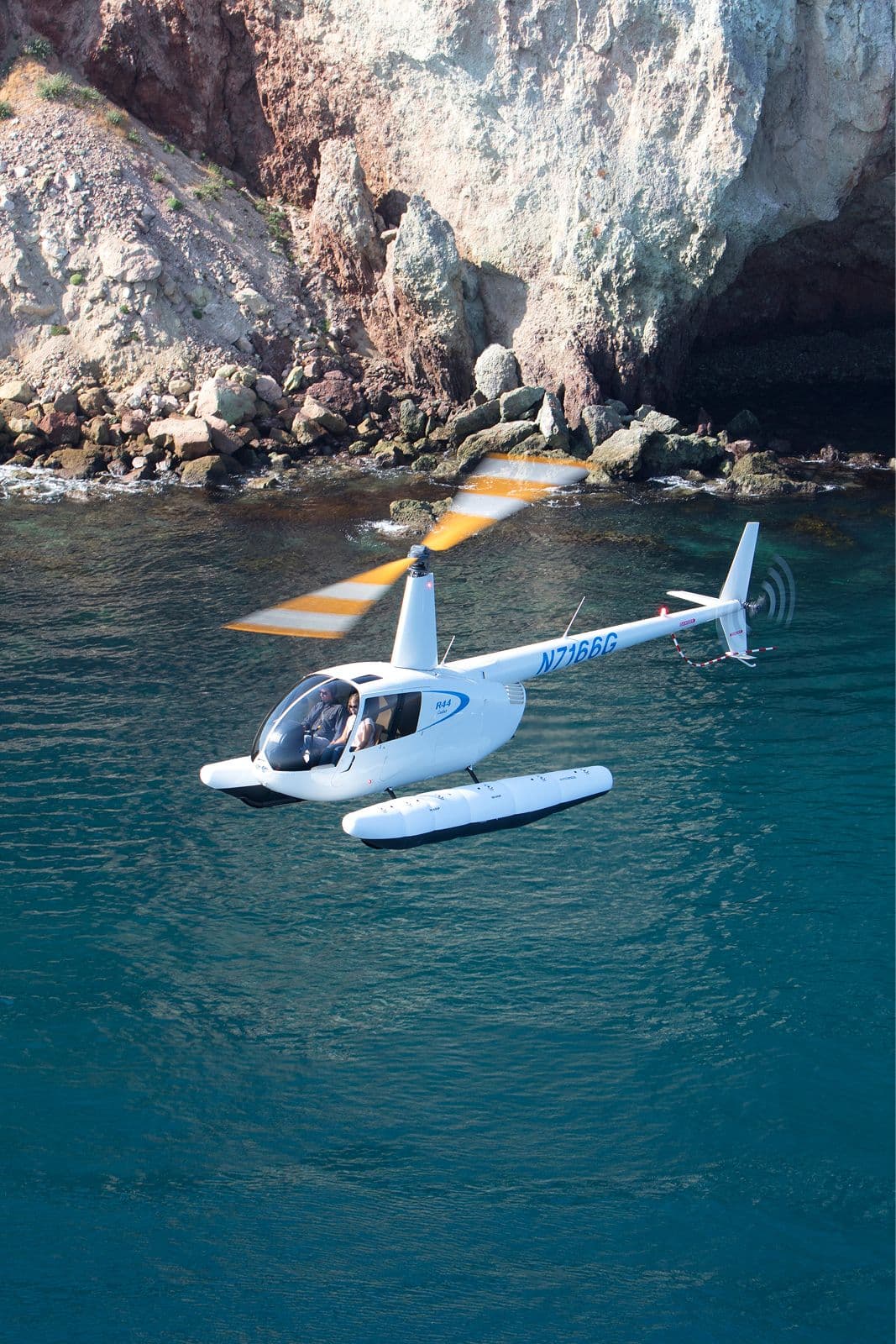
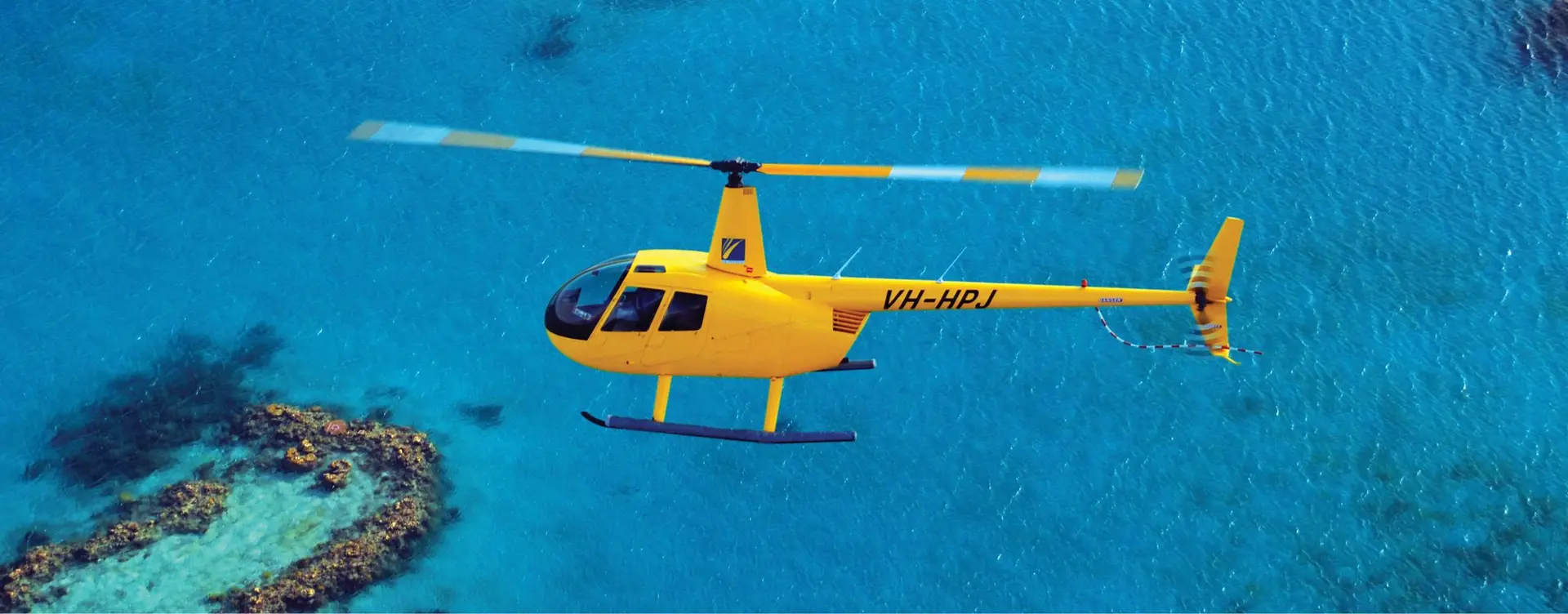
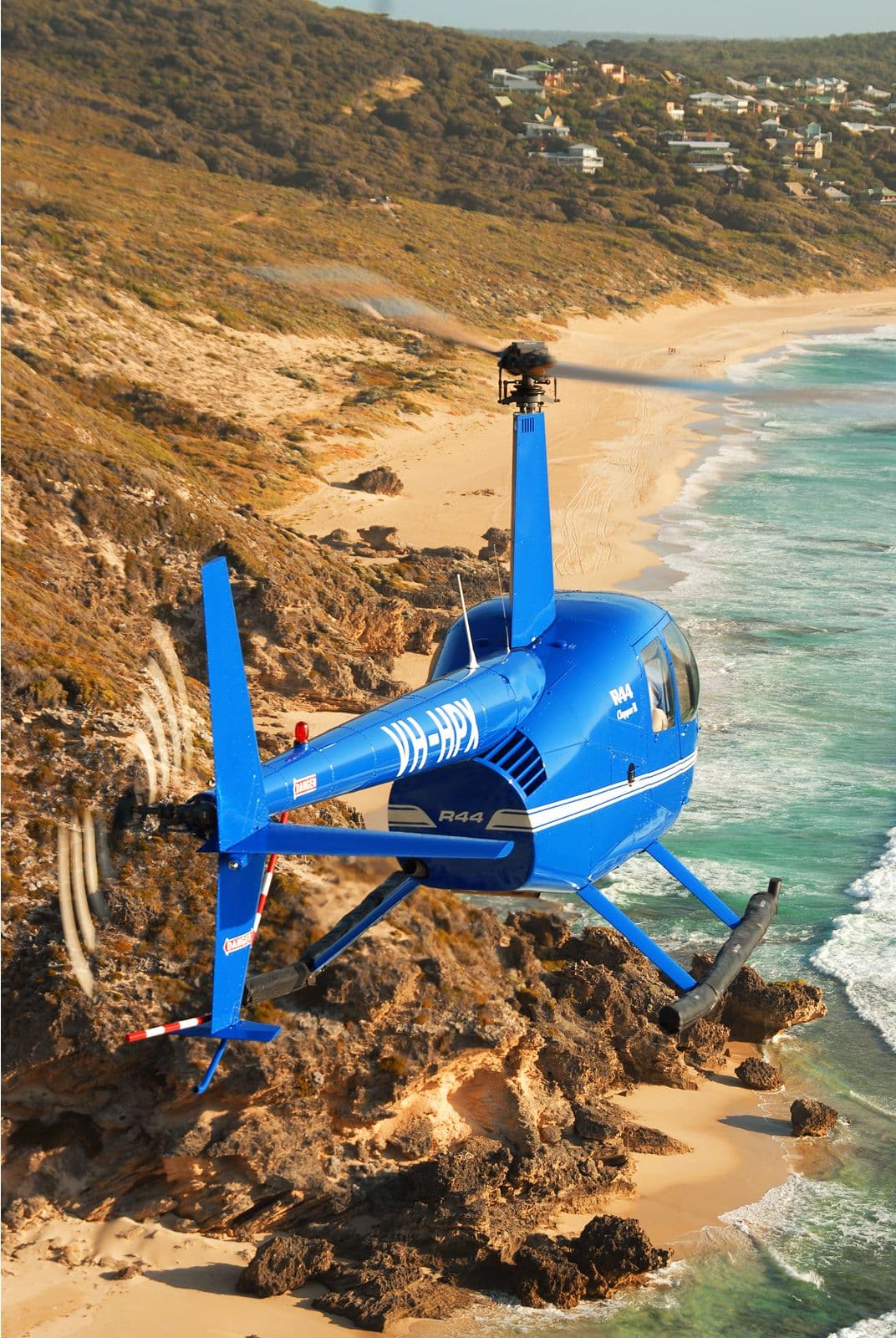
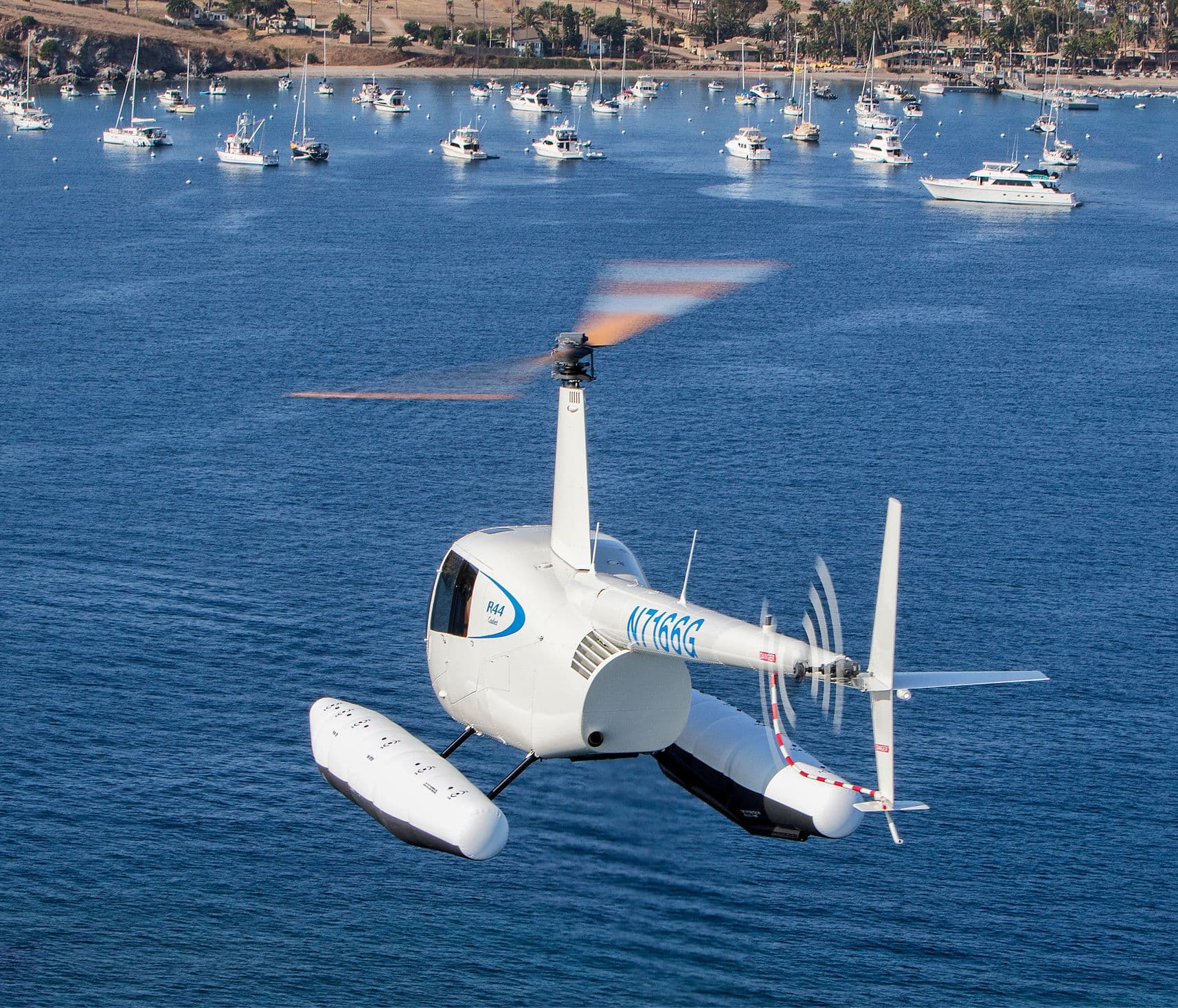
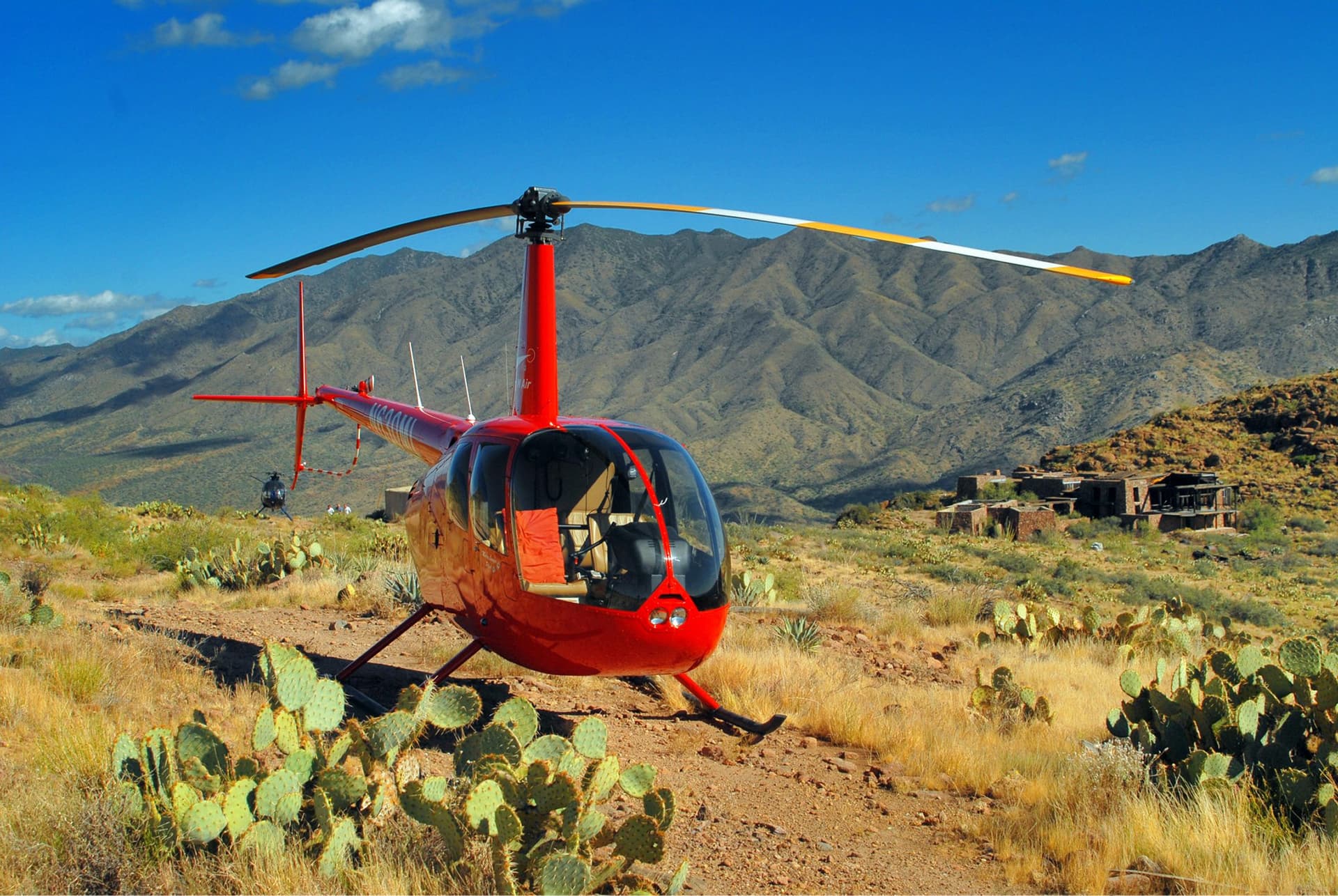
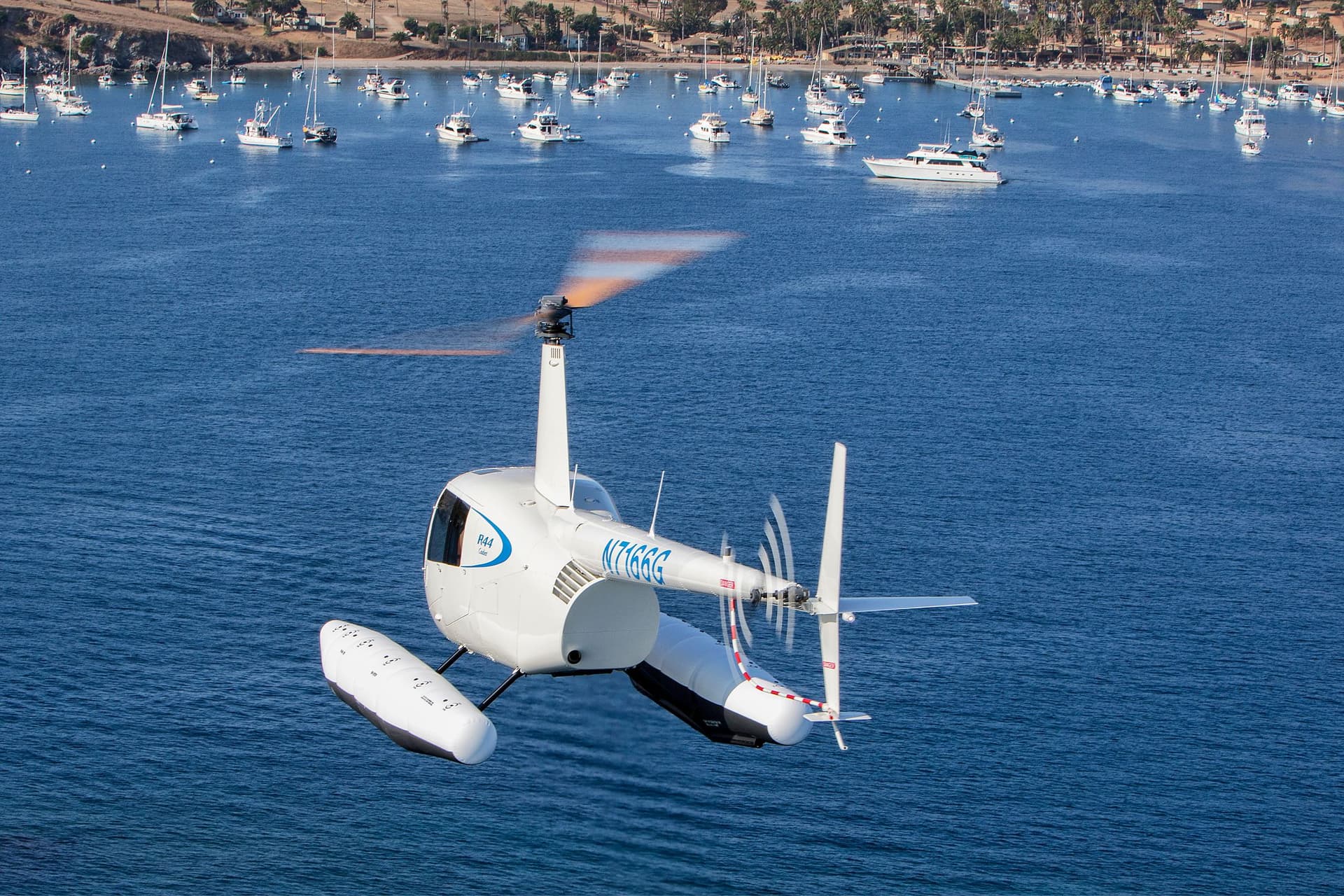
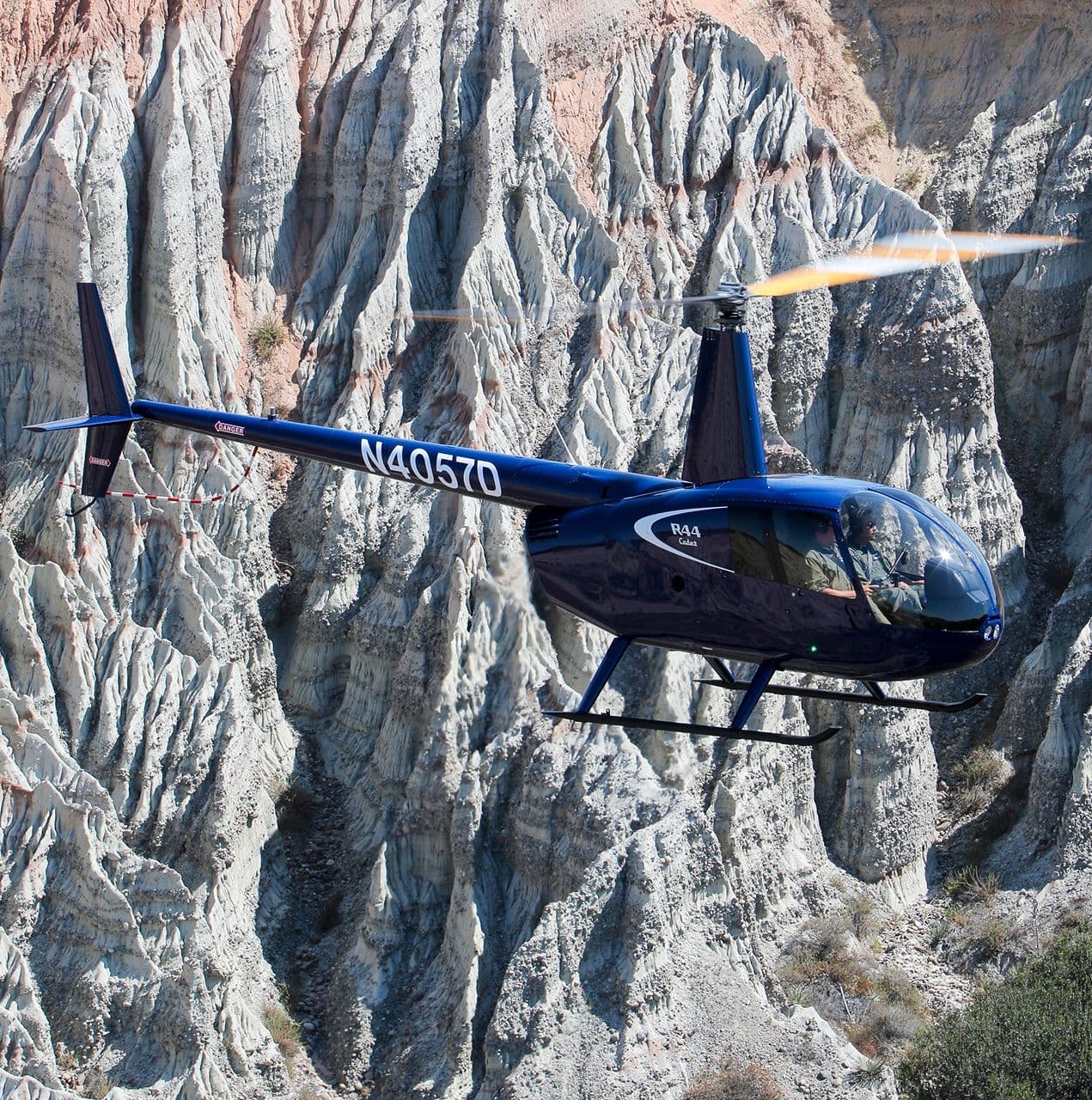
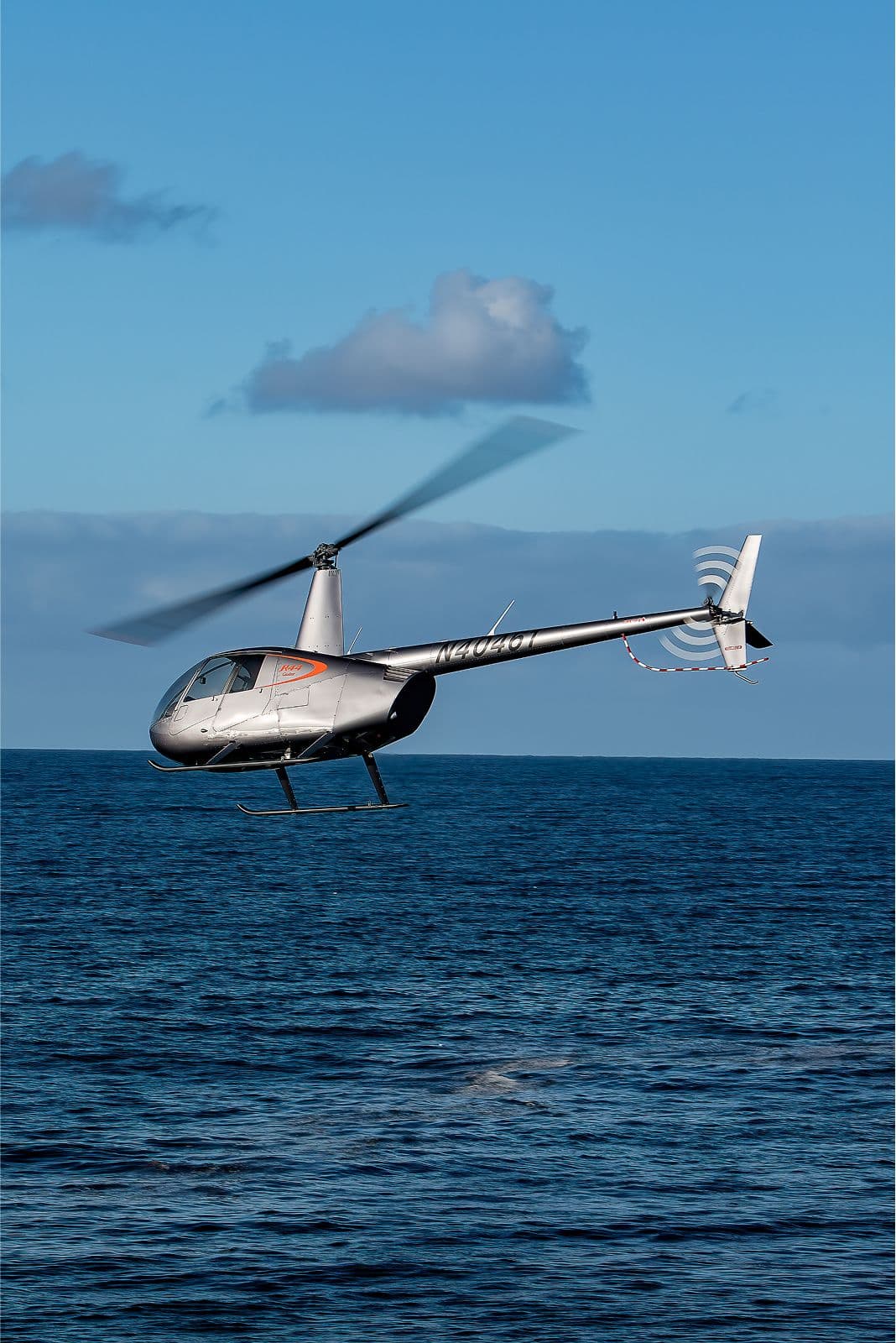
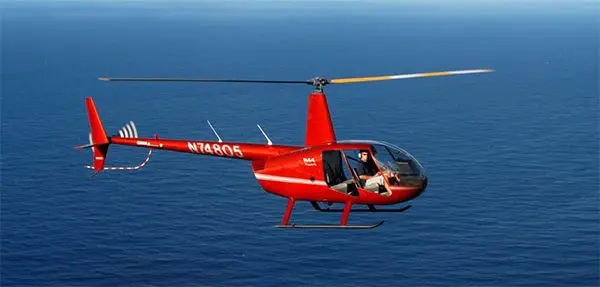
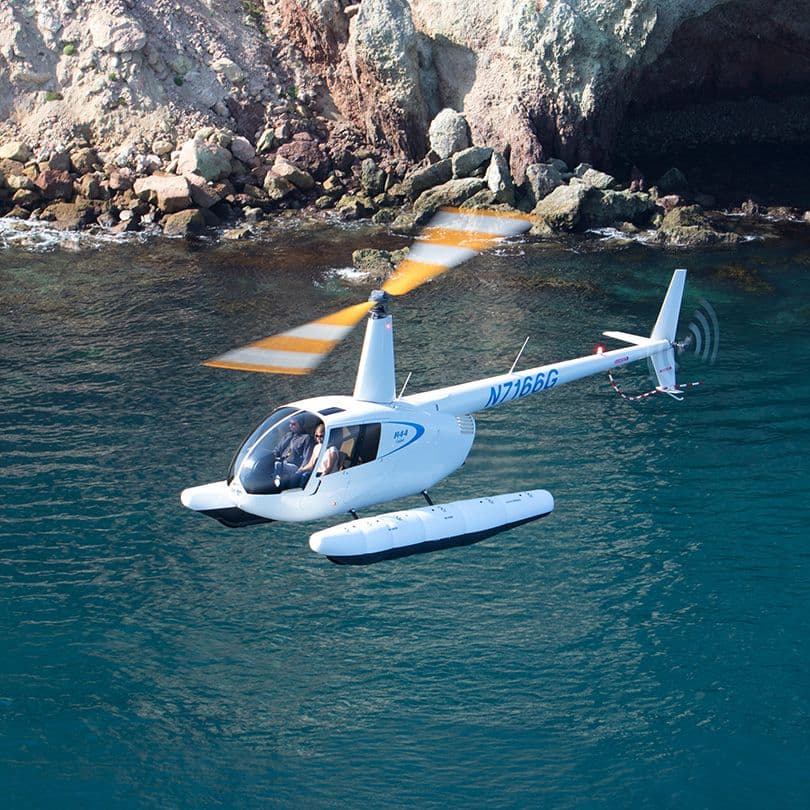
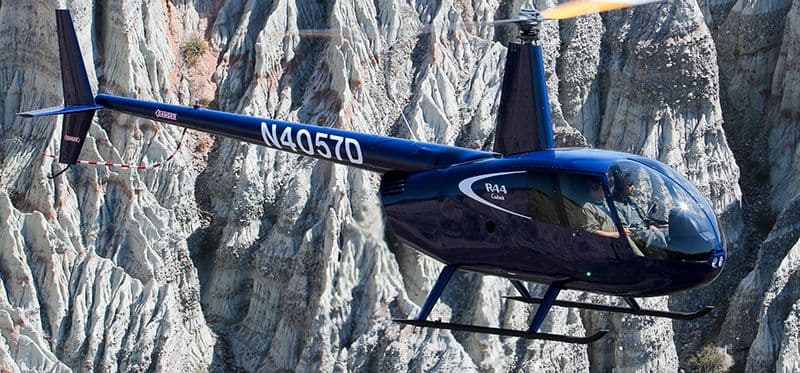
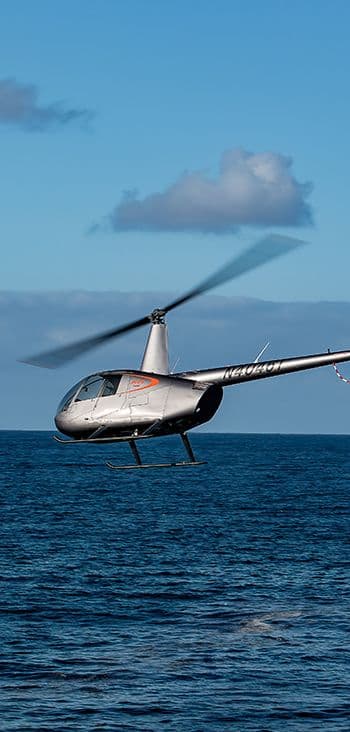
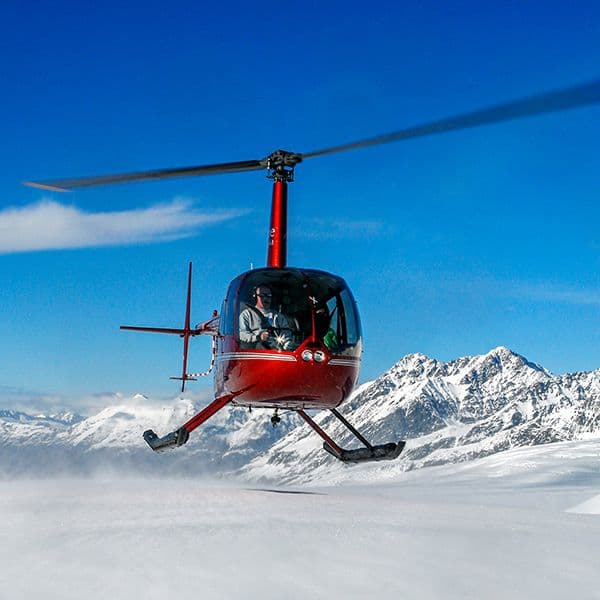
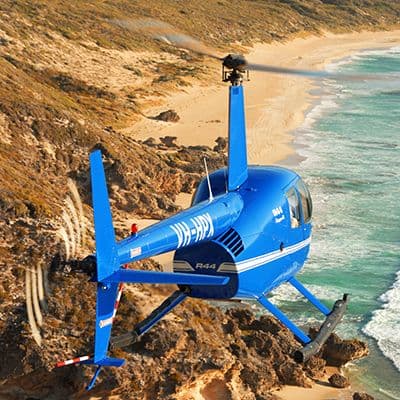
A larger, more substantial trainer empowers student pilots' learning and confidence. The Cadet has the same airframe, rotor system and Lycoming O-540 engine as the proven R44 Raven I. The differences are the Cadet’s aft compartment is reconfigured to make extra space for cargo, the maximum gross weight is reduced to 2200 lb, and the engine power is derated to 210 hp take-off and 185 hp continuous. The lower weight and derated power provide increased performance margins at high altitudes and extend the time between overhauls to 2400 hours. Cadets feature streamlined instrument panels and a crashworthy fuel system.

A hardpoint is a location on the belly designed to carry an external or internal load.
The Hydraulically Boosted Controls on the R44 Cadet I assist the pilot in controlling the helicopter's flight surfaces, such as the cyclic, collective, and tail rotor by significantly reducing the manual force required to operate the controls. They enable for more precise and smoother control inputs, improving the overall handling characteristics of the helicopter. Enhanced control responsiveness contributes to the overall safety of helicopter operations, particularly during critical phases of flight such as takeoff, landing, and emergency maneuvers.
The R44 Cadet I features a Crashworthy Fuel System with a Bladder Tank designed to prevent fuel leakage and reduce the risk of fire in the event of a crash. The system incorporates several features and design elements to enhance safety for both the helicopter and its occupants. The R44's fuel tank is constructed of an aluminum enclosure containing a flexible, puncture- and tear-resistant bladder that can withstand significant impact without rupturing. Additionally, the fuel system includes flexible joints or self-sealing breakaway couplings that absorb energy and prevent breakage. These are designed to disconnect safely and seal off the fuel line if excessive force is applied, preventing fuel spillage.
The Cadet's Carburetor Heat Assist feature enhances safety and reduces pilot workload by automatically adding carb heat when the collective is lowered and reducing carb heat when the collective is raised.

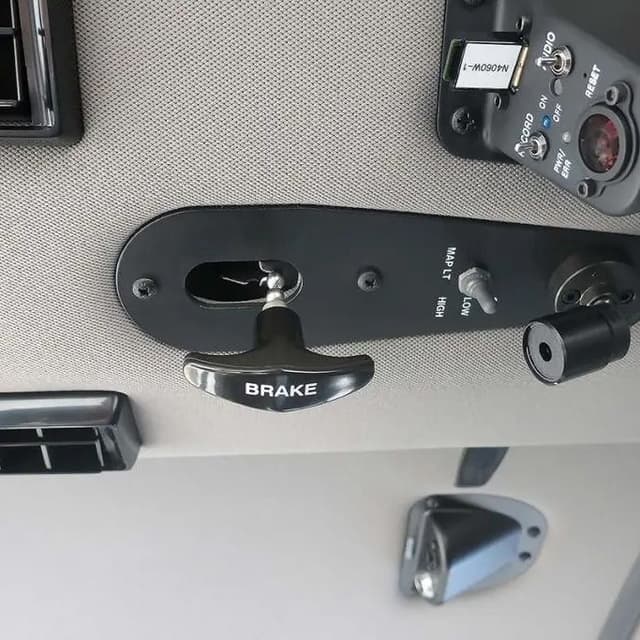
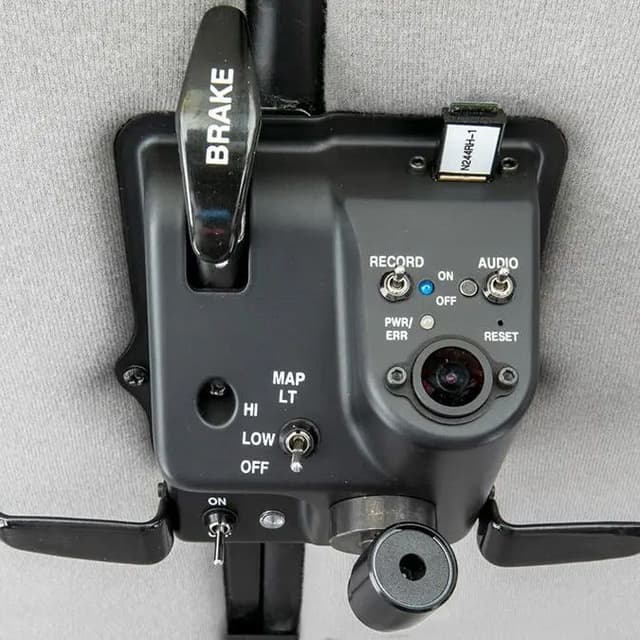
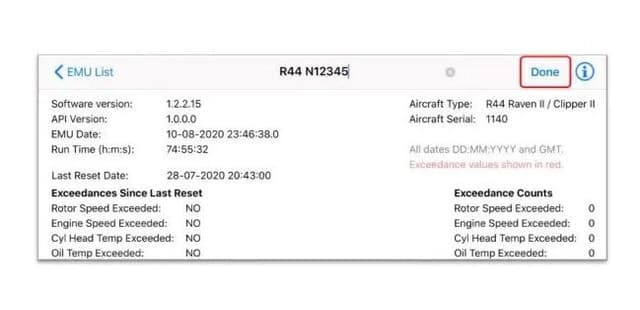
The Engine Monitoring Unit tracks key engine parameters such as engine-related exceedances and flight data. Also, the Robinson EMU App gives pilots, operators, and maintenance personnel the capability to wirelessly connect to the onboard EMU unit on properly-equipped Robinson R44 helicopters to view certain aircraft performance parameters recorded during operation.

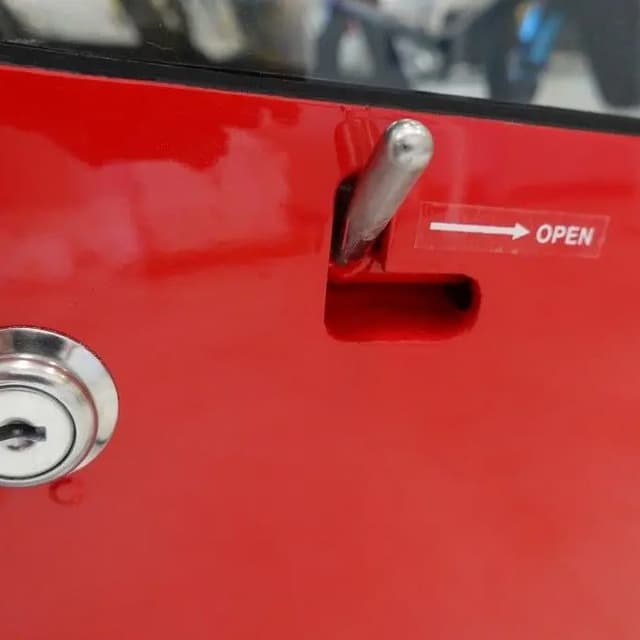
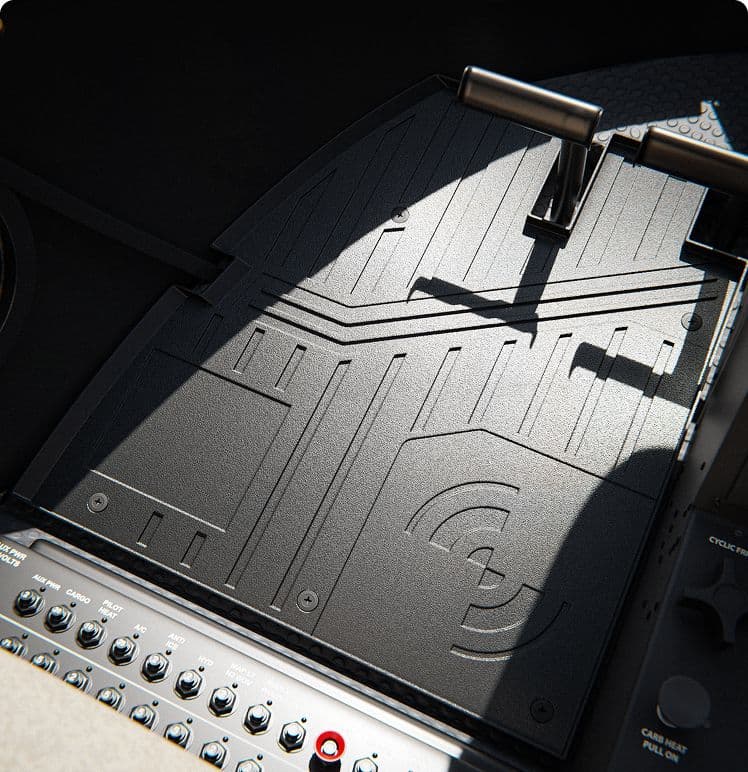
For decades, the Robinson R44 has been the industry’s undisputed multi-mission workhorse—reliable, versatile, and ready for anything. Now, we’ve made it even tougher with an all-new interior designed specifically for high-intensity, demanding operations. The R44 Utility is our direct response to years of operator feedback requesting a factory-delivered cabin capable of transitioning seamlessly from harsh environments to muddy agricultural and utility job sites.
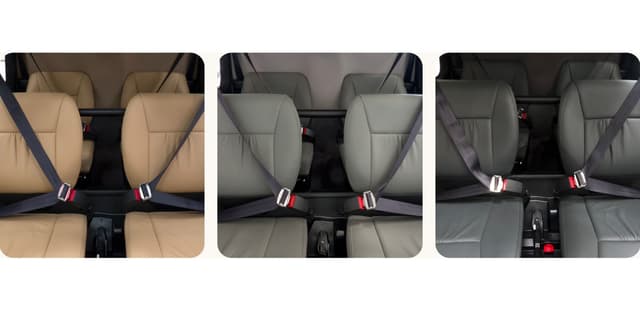
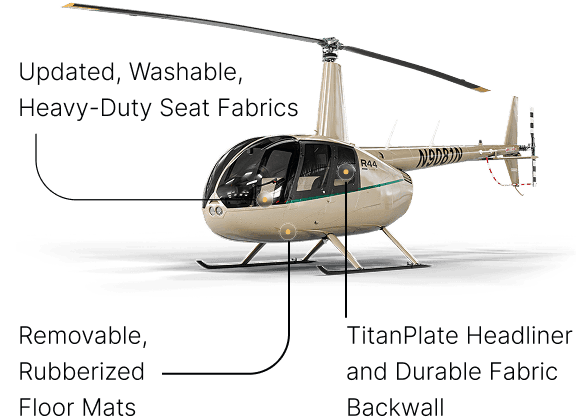
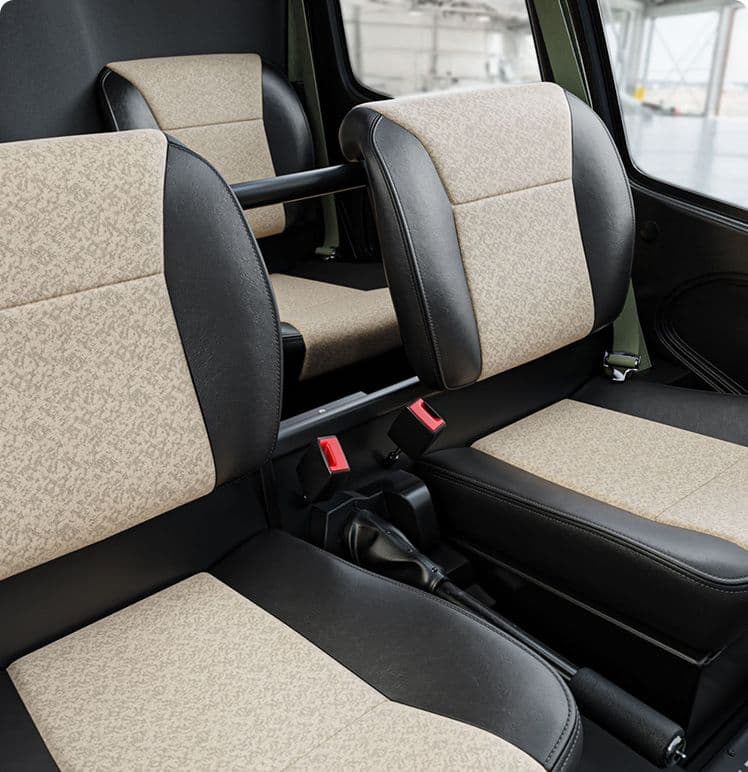
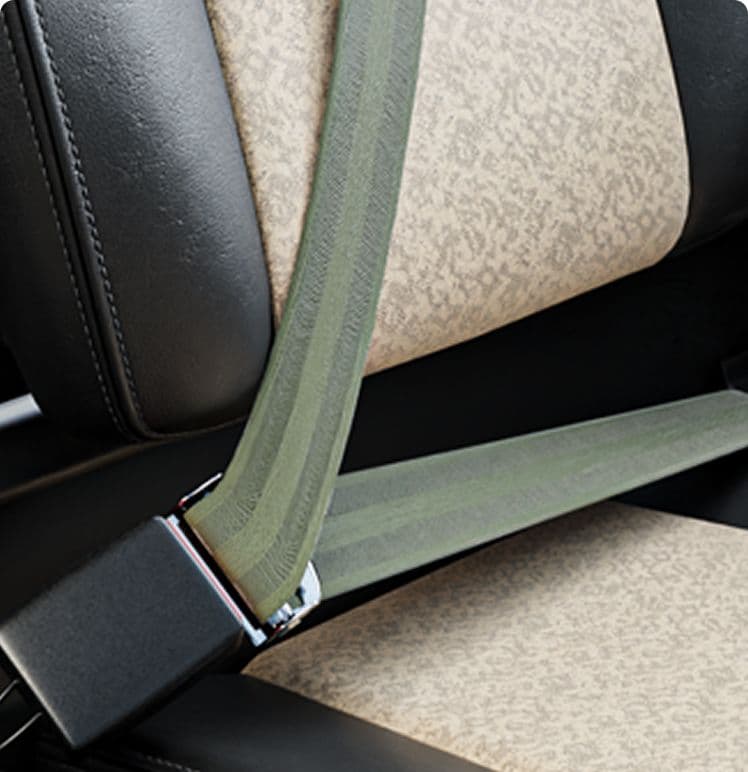
We have engineered this aircraft for ruggedized performance by replacing traditional interior materials with components built to endure the elements. By favoring more resilient surfaces, the R44 Utility is prepared to perform under the constant pressure of heavy flight hours and diverse cargo. This is a cabin designed to be ‘worked hard’ and ‘cleaned easily.
The R44 Utility interior delivers ruggedized performance by replacing traditional fabric components with heavy-duty materials designed to be hosed down and wiped clean after a long day in the field. This mission-first design ensures the cabin can handle the grit, grime, and grease of industrial work without sacrificing any of the R44’s legendary flight characteristics. By choosing this configuration, you receive utility-grade toughness straight from the factory floor, providing a professional, durable solution that is ready for immediate deployment in the harshest environments.
* Utility Interior is available on all R44s, including Cadet, Raven I and Raven II
*Tactical Utility Exterior Paint Scheme is Optional
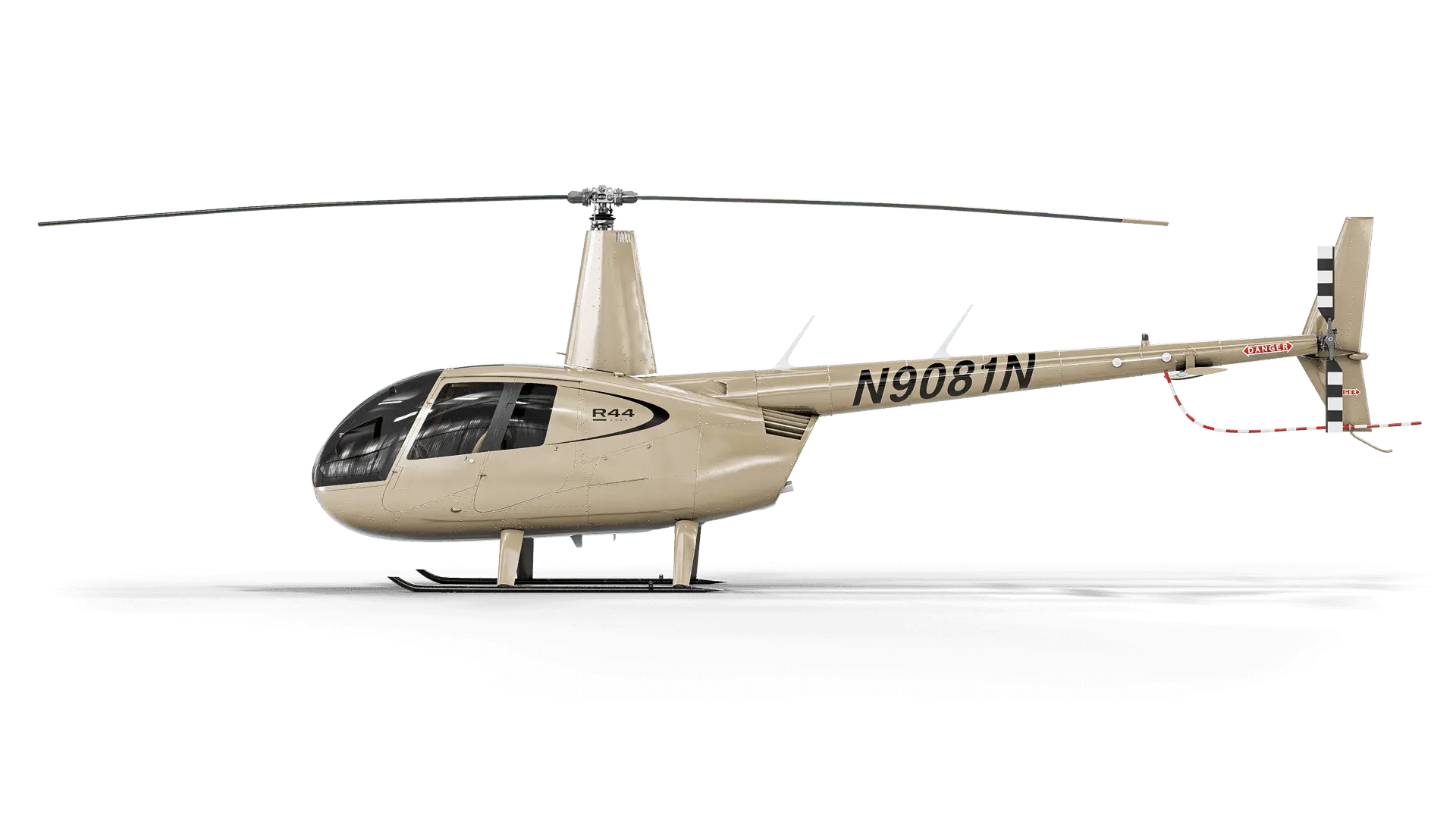
Optional Equipment and specs are the same as other R44s EXCEPT:


| ITEM | Cadet | Cadet with floats |
|---|---|---|
| Engine | Lycoming O-540, six cylinder, carbureted | |
| Horsepower | Derated to 210 hp for takeoff and 185 hp continuous | |
| Maximum Gross Weight | 2200 lb (998 kg) | |
| Approximate Empty Weight (including oil & standard avionics) | 1437 lb (652 kg) | 1487 lb (674 kg) |
| Fuel Capacity (29.5 gal) | 177 lb (80 kg) | |
| Auxiliary Fuel (17.0 gal) | 102 lb (46 kg) | |
| Pilot, Passengers, and Baggage (with maximum fuel) | 586 lb (266 kg) | 536 lb (243 kg) |
| Cruise Speed at Maximum Gross Weight | Up to 107 kts (198 km/h) | Up to 100 kts (185 km/h) |
| Maximum Range (no reserve) | Approximately 300 nm (550 km) | |
| Hover Ceiling IGE at Maximum Gross Weight | 8750 at 2200 lb | |
| Hover Ceiling OGE at Maximum Gross Weight | 5250 ft at 2200 lb | |
| Rate of Climb | Over 1000 fpm | |
| Maximum Operating Altitude | 14,000 ft | |
| Electrical System | 28 volt | |